Strategy
Business Strategy & Product Architecture
From opportunity framing and roadmap alignment to IA and scalable structures — so every release reinforces the product narrative instead of fragmenting it.
Bridging the gap between robust business strategy, complex systems, and high-end immersive UI.
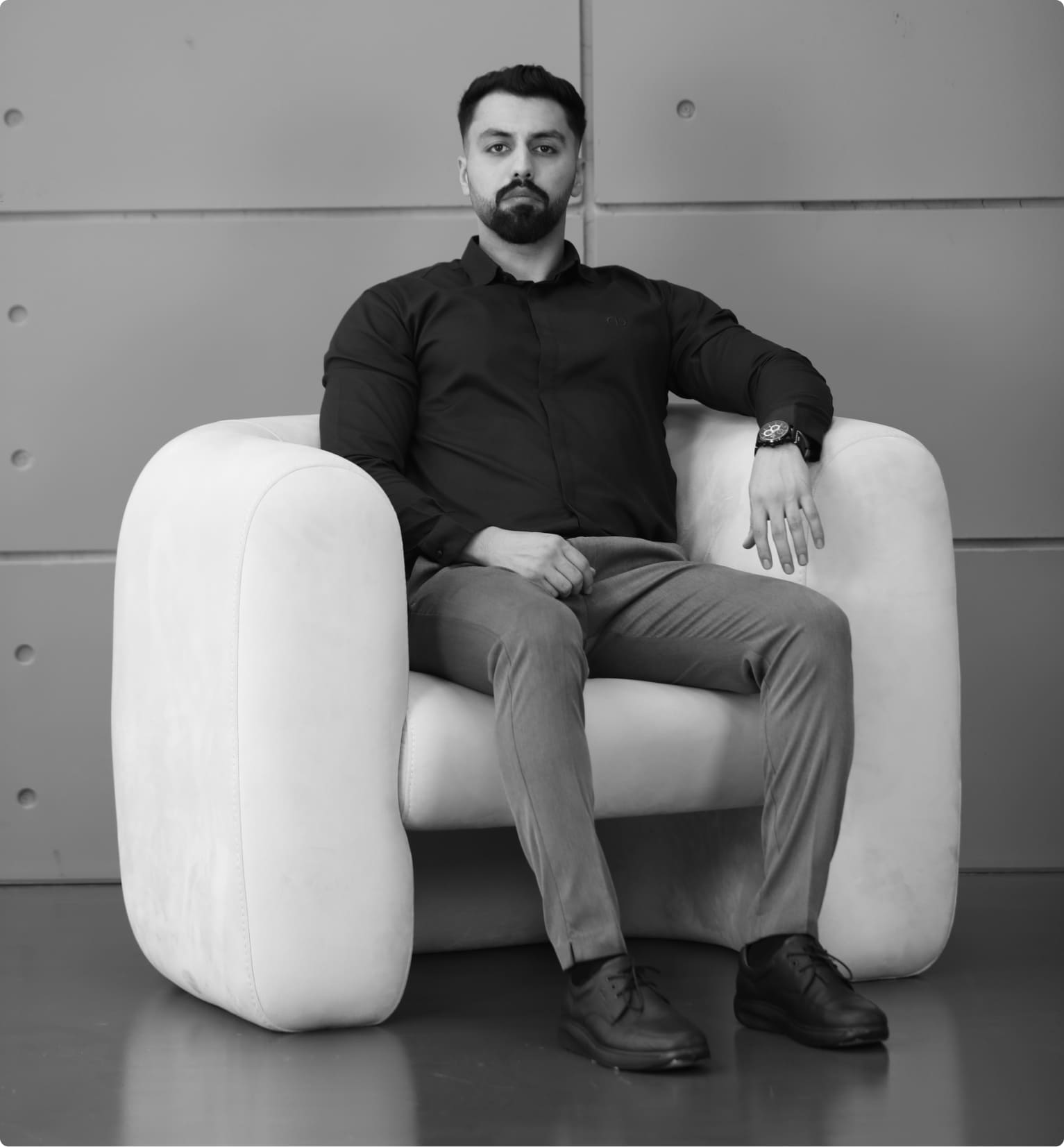
01 // APPROACH
Strategy
From opportunity framing and roadmap alignment to IA and scalable structures — so every release reinforces the product narrative instead of fragmenting it.
Interface
Crafted interfaces with deliberate motion, accessibility and consistency across breakpoints — built to feel premium without sacrificing clarity.
Systems
Turning dense workflows into navigable journeys — patterns, states and edge cases documented for teams that ship continuously.
02 // WORKS
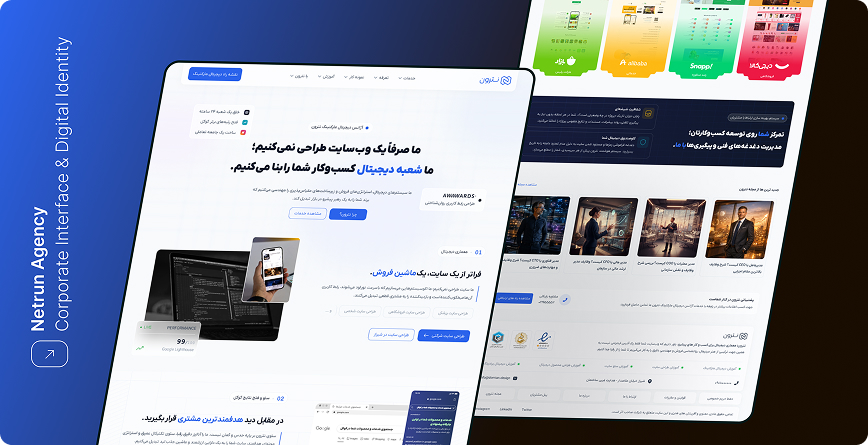
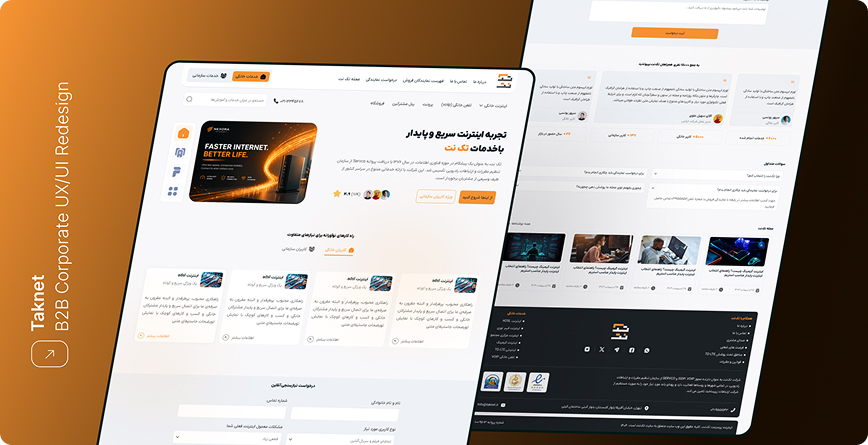
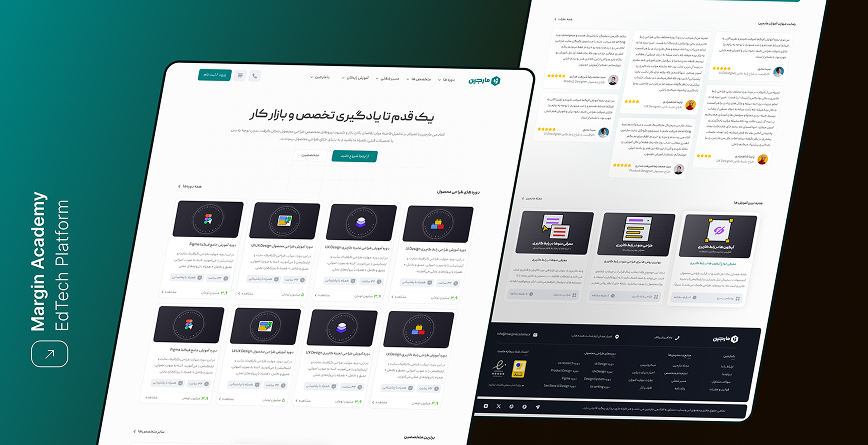
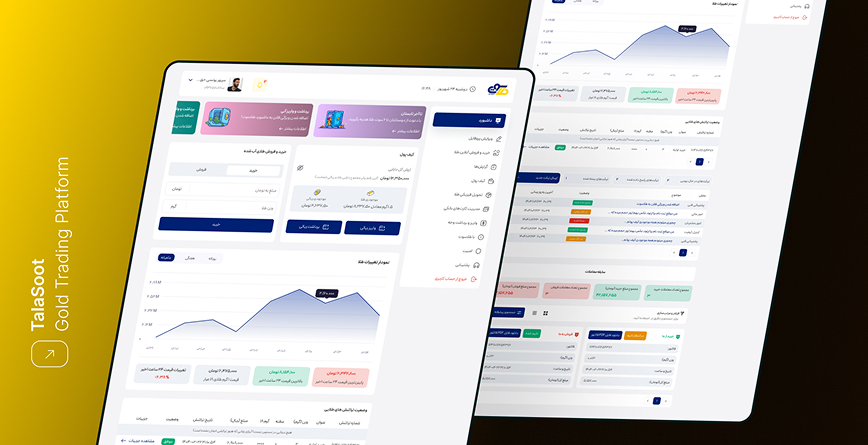
03 // EXPERTISE
Bridging the gap between aesthetics and business goals.
I don't just design screens; I design growth engines, optimizing for acquisition,
conversion, and retention.
Transforming traffic into revenue. By analyzing user behavior and eliminating friction points in the funnel, I design flows that maximize conversion without compromising the brand experience.
Designing with marketing channels in mind. From maintaining "ad-to-landing-page scent" to structuring SEO-friendly architectures, the product is built to support user acquisition at scale.
Focusing on Long-Term Value (LTV) rather than short-term spikes. I integrate native growth loops and gamification mechanics that encourage users to invite others and return consistently.
04 // EVOLUTION
My journey began when design was static. Navigating the shift from destructive Photoshop layers to the early days of Sketch and Adobe XD taught me my most valuable skill: adaptability. Witnessing the birth of Material Design instilled a deep appreciation for grid systems and structural logic over mere aesthetics.
Today, design is about enterprise scalability and business logic. Headless Design Systems using Figma and design tokens are now my daily toolkit. It's no longer just about crafting screens, but aligning user experience directly with product infrastructure and market growth.
The GUI era is evolving. I am actively researching and adapting to Agentic Interfaces and Zero-UI environments. The future belongs to designers who can orchestrate LLMs and AI to generate dynamic interfaces on the fly. We are moving from designing screens to designing conversational intents and spatial depth.
05 // SKILLS

End-to-end campaign management, data-driven strategies, and conversion rate optimization.

Deep technical SEO, content architecture, and organic growth modeling to dominate search intent.

Understanding market dynamics, product-market fit, and aligning tactics with overarching business goals.

Familiarity with code logic. I speak the developer's language, ensuring seamless collaboration with technical teams.
06 // INSIGHTS
While at the gym, I noticed the worn-out screen protector on the treadmill. The scratches weren't random; they varied intensely across different speed buttons. The heaviest wear was concentrated perfectly on speed "6".
"Without a single line of tracking code, physical wear forms a natural heatmap, revealing the exact preference threshold of the average user."
Experiencing different cities feels like switching between OS environments. Tehran is a high-density, fast-paced interface optimized for pure efficiency. Shiraz, in contrast, is a laid-back, experiential interface prioritizing joy and flow over speed. Yazd acts as a heritage system, prioritizing warmth and preservation.
"Space dictates behavior. The 'architecture' of an environment completely alters the user's emotional state and interaction speed."